


Velvet Fabrics
Velvet, redefined through colour, craft and character. At Linwood, this enduring fabric brings softness, depth and visual richness to interiors. Luxurious yet hardwearing, our velvets are suited to upholstery, curtains and soft furnishings, with each design – from refined plains to expressive prints – brought to life in rich, nuanced colour.
FAQs... Velvet Fabrics
What is velvet fabric?
Velvet fabric is a woven textile distinguished by its short, dense pile, which gives it a soft handle and a distinctive depth of colour. As light moves across the surface, the pile subtly shifts, creating variation in tone and a gentle sense of movement.
Used widely as both upholstery velvet fabric and velvet curtain fabric, it offers a balance of decorative appeal and everyday practicality, making it a considered choice for both classic and contemporary interiors.
What are the main applications of velvet fabric?
Velvet fabric is widely used across upholstery, curtains and decorative accessories due to its durability and rich surface.
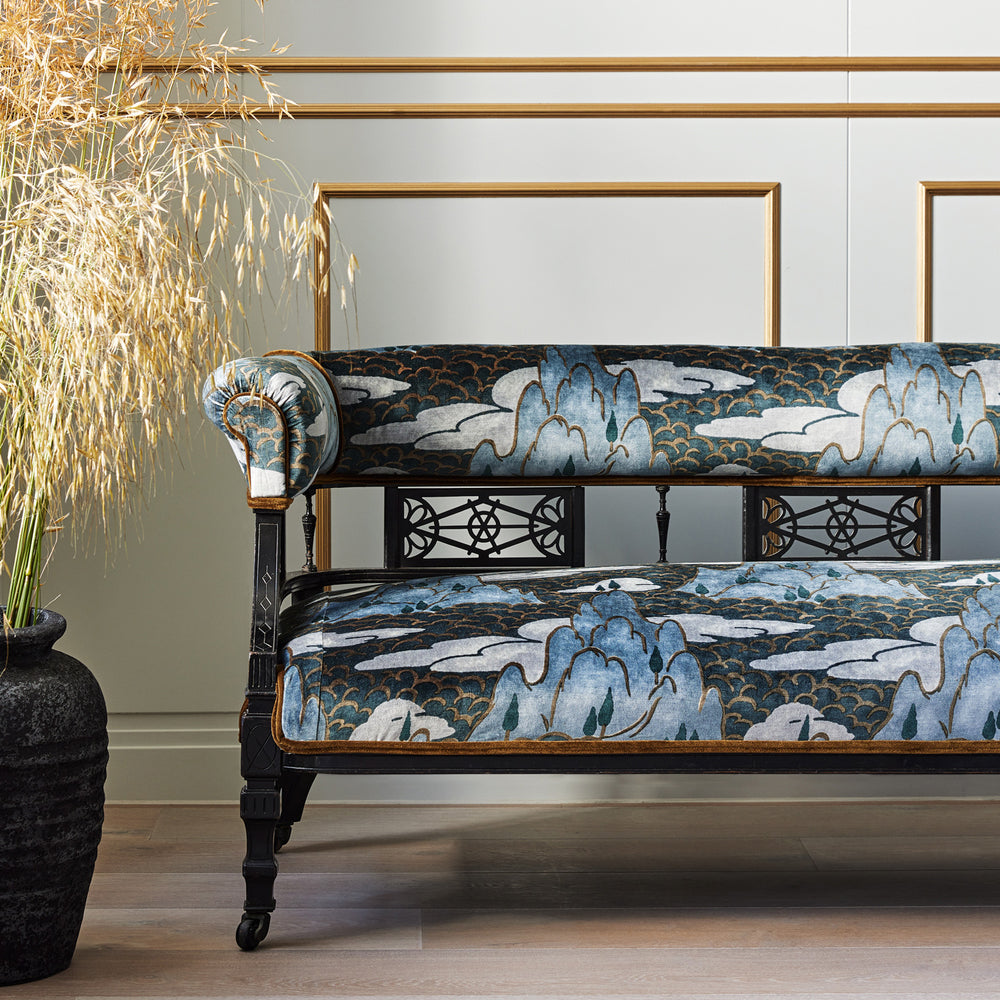
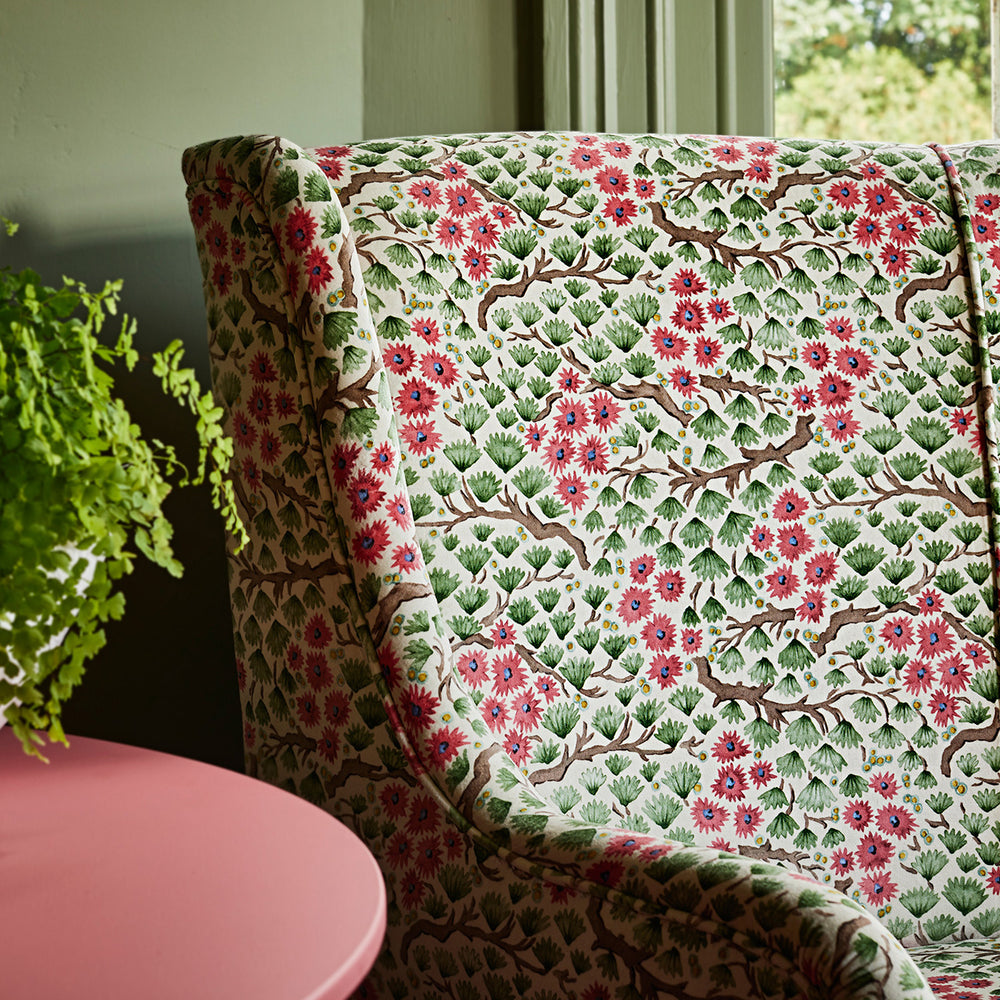
- Upholstery velvet fabric: ideal for sofas, armchairs, dining chairs and headboards
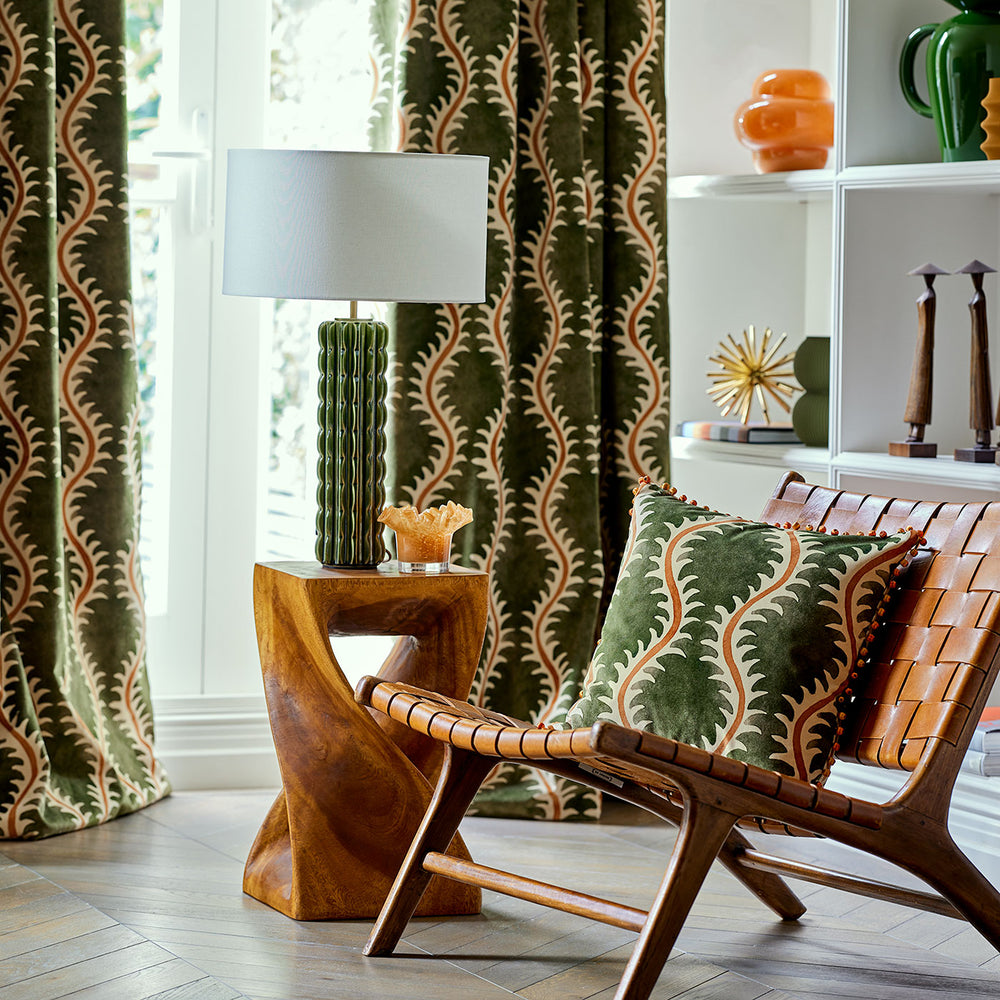
- Velvet curtain fabric: creates a full, elegant drape with depth of colour
- Soft furnishings: cushions and accessories that add texture and contrast
Suitable for both residential and commercial settings, velvet works across a range of interior styles, from relaxed country spaces to more tailored, architectural schemes.
How is velvet fabric made?
‘Velvet fabric is woven using a specialised technique that creates its distinctive soft and plush texture,’ explains Barny Gloyn, Managing Director of Linwood. ‘It involves an additional set of warp yarns, known as pile yarns, woven alongside alongside the regular warp and weft threads.’
Velvet is typically produced in one of two ways:
- Face-to-face weaving: two layers of fabric are woven simultaneously, then cut apart to form the pile.
- Wire loom weaving: pile yarns are looped over fine wires and then cut, creating velvet’s characteristic dense surface.
Once cut, the surface forms the characteristic dense pile that defines velvet fabric.
How to clean and care for velvet fabric?
Velvet fabric is both durable and practical, though care varies depending on fibre composition.
Polyester pile velvets (e.g. Omega IV, Tango, Cosmos and Moleskin):
- Suitable for washable loose covers
- Can be spot cleaned with a damp cloth or wet wipe
- Allow to air dry or use a cool hairdryer from a safe distance
Cotton or cotton-blend velvets (e.g. Velvet Wonderland and certain designs from Wild Life):
- Dry clean only
- Professional cleaning is recommended to maintain the pile
Routine maintenance is simple: regular, gentle vacuuming with an upholstery attachment helps lift dust and keep the pile looking even.
How to style velvet in your home?
Velvet fabric brings depth, texture and a subtle sheen to interiors, making it a versatile choice for both classic and contemporary schemes.
For a relaxed look, pair velvet upholstery or curtains with natural materials such as linen, wool and wood in softer, muted tones.
For a more dramatic effect, use richer colours or try colour drenching, where velvet is layered across sofas, cushions and curtains in a single palette.
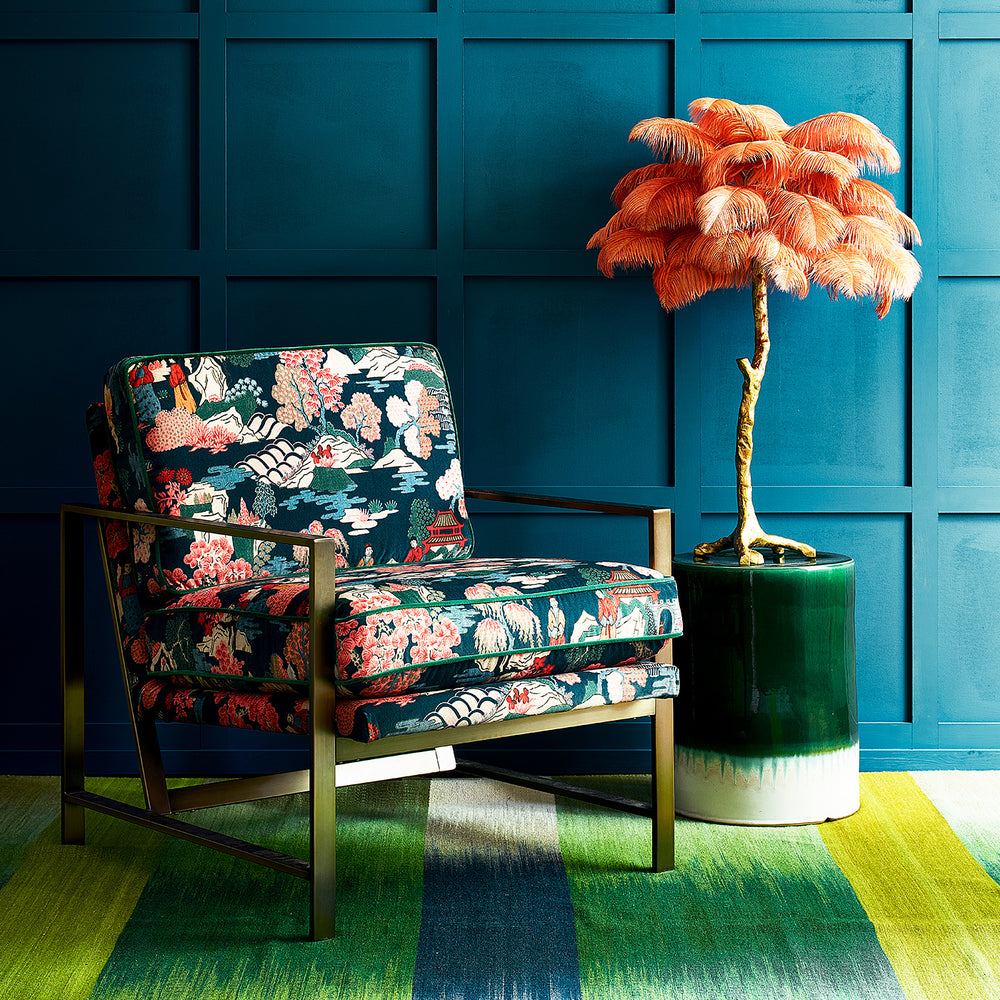
Velvet also works well as an accent, adding contrast through a statement chair or cushions without overwhelming a space.
Which direction should velvet pile face?
All velvet fabrics have a natural pile direction, often referred to as the nap. When you run your hand across the surface, it will feel smooth in one direction and slightly resistant in the other. This directional quality affects how the fabric reflects light.
- For upholstery: the pile should run downward on seat cushions and chair backs so it sits smoothly in use
- For velvet curtains: the pile is typically hung downward to ensure an even appearance and consistent drape
Keeping the pile direction consistent across all pieces is essential for achieving a uniform finish.
Can I order velvet samples?
We recommend ordering velvet fabric samples to fully appreciate colour and texture, as the pile reflects light differently depending on its surroundings.
Order up to six complimentary samples to experience Linwood velvet in your own space and assess suitability before making a final decision.